








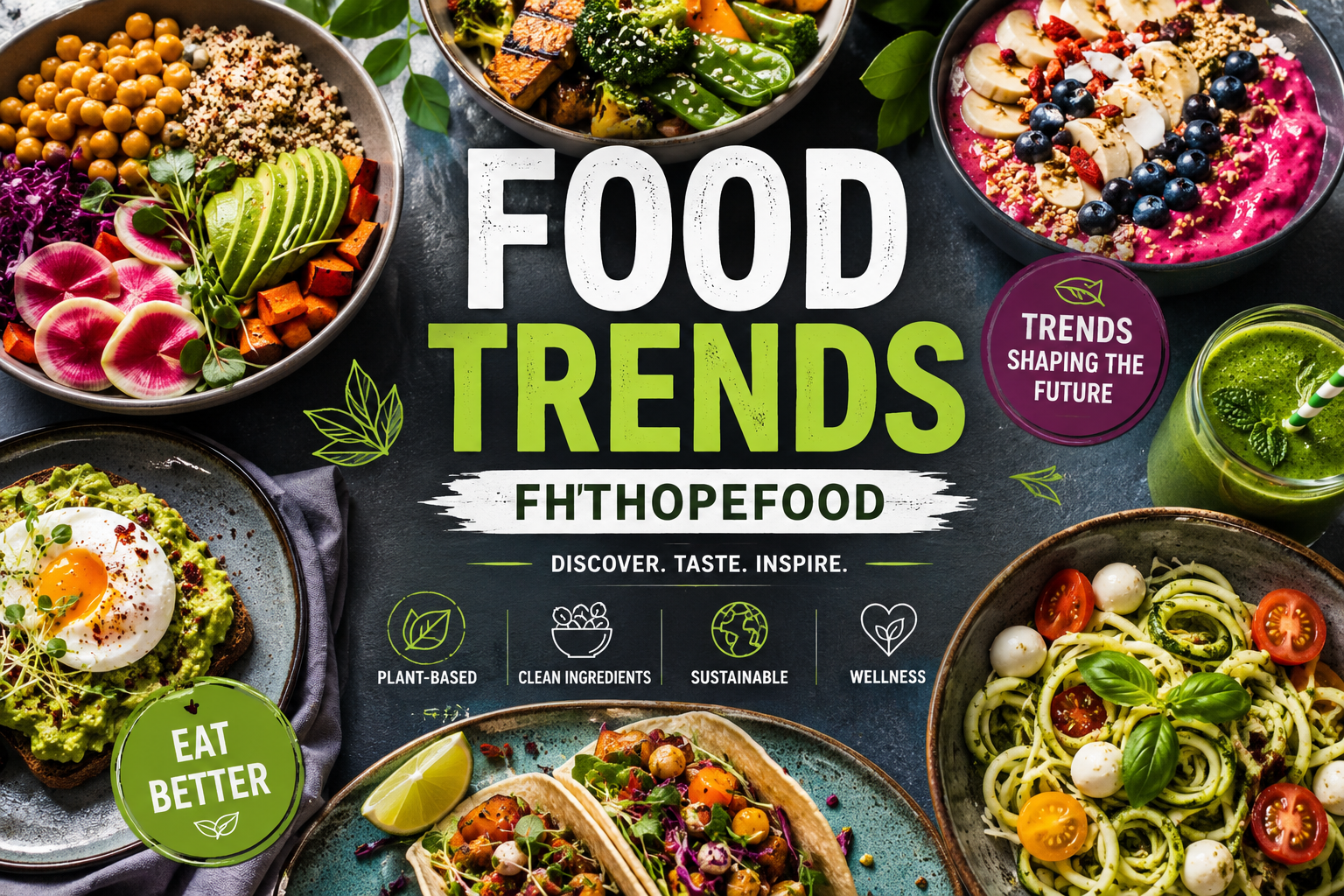
The world of food is changing faster than ever, and food trends fhthopefood has become a topic of growing interest among consumers, food businesses, chefs, and industry experts across the United Kingdom. Modern diners are looking beyond taste alone. They want healthier ingredients, sustainable sourcing, ethical production, innovative flavors, and memorable dining experiences that reflect their values and lifestyles.
As consumer preferences evolve, restaurants, food manufacturers, retailers, and home cooks are adapting to new expectations. Technology, environmental awareness, global culinary influences, and wellness-focused choices are all contributing to significant changes in the food landscape. Understanding these developments helps businesses stay competitive while enabling consumers to make informed food choices.
This comprehensive guide explores the most important aspects of food trends fhthopefood, including sustainability, plant-based innovation, health-conscious eating, technology integration, local sourcing, and future market developments. Whether you are a food enthusiast, entrepreneur, or industry professional, these insights provide a clear understanding of the forces shaping the UK’s food sector today and in the years ahead.
Information Table
| Topic | Overview |
| Primary Focus | Food trends fhthopefood |
| Target Market | United Kingdom |
| Key Drivers | Sustainability, health, technology |
| Consumer Interest | Ethical, local, nutritious foods |
| Industry Impact | Retail, restaurants, food production |
The Rise of Conscious Consumer Food Choices
Consumers throughout the United Kingdom are becoming increasingly aware of how their food is produced, sourced, and delivered. The growth of food trends fhthopefood reflects a broader movement toward transparency and accountability across the food industry. Shoppers are reading ingredient labels more carefully, researching brands, and seeking products that align with personal values regarding health and environmental responsibility.
This shift has encouraged food businesses to improve communication about sourcing practices, production methods, and nutritional information. Companies that openly share details about their supply chains often gain stronger trust from consumers. As transparency becomes a competitive advantage, businesses are investing in better traceability systems and ethical sourcing initiatives.
Consumer awareness is also influencing purchasing decisions beyond supermarkets. Restaurants, cafés, and takeaway services are responding by highlighting ingredient origins, sustainability commitments, and nutritional benefits. These efforts demonstrate how food trends fhthopefood is shaping both retail and hospitality sectors while creating new standards for customer engagement.
Sustainability as a Core Food Industry Priority
Environmental concerns continue to influence purchasing behavior across the UK food market. One of the defining characteristics of food trends fhthopefood is the growing demand for sustainable food production. Consumers increasingly support brands that minimize waste, reduce carbon emissions, and implement eco-friendly packaging solutions.
Food producers are exploring innovative methods to reduce environmental impact while maintaining product quality. Regenerative agriculture, reduced food waste initiatives, and renewable energy adoption are becoming more common throughout the supply chain. These practices not only benefit the environment but also strengthen long-term business resilience.
Restaurants and retailers are embracing sustainability by sourcing seasonal ingredients, reducing single-use plastics, and improving waste management systems. As public awareness of climate-related challenges continues to grow, sustainability remains a central pillar of food trends fhthopefood, influencing decision-making across the entire food ecosystem.
Plant-Based Innovation Continues to Expand
Plant-based eating has moved far beyond a niche dietary preference and is now a mainstream component of food trends fhthopefood. Consumers are increasingly incorporating plant-based meals into their routines, whether for health, ethical, environmental, or economic reasons. This shift has created substantial opportunities for innovation throughout the food industry.
Manufacturers are developing sophisticated alternatives to traditional meat and dairy products. Advances in food science have improved texture, flavor, and nutritional profiles, making plant-based options more appealing to a broader audience. These products are no longer targeted solely at vegetarians and vegans but also at flexitarian consumers seeking balance.
Restaurants across the UK are responding by expanding menu offerings that feature vegetables, legumes, grains, and alternative proteins. The growing popularity of plant-based cuisine demonstrates how food trends fhthopefood continues to influence culinary creativity while encouraging more diverse and sustainable eating habits.
Health and Wellness Driving Food Preferences
Health-conscious eating remains one of the strongest forces behind food trends fhthopefood. Consumers increasingly view food as a tool for supporting overall wellbeing rather than simply satisfying hunger. This perspective has encouraged demand for nutrient-dense foods that contribute to physical and mental health.
Products containing functional ingredients such as probiotics, fiber, antioxidants, and plant-based proteins are gaining popularity. Shoppers are actively seeking foods that support digestion, immunity, energy levels, and long-term wellness goals. As a result, manufacturers are developing products designed to meet specific health needs.
The wellness movement has also influenced restaurant menus and meal delivery services. Health-focused options that prioritize balanced nutrition, portion control, and ingredient quality are becoming standard offerings. These developments highlight the growing importance of wellness within food trends fhthopefood and the broader UK food market.
Technology Transforming Food Experiences
Technology is playing an increasingly important role in the evolution of food trends fhthopefood. Digital innovation has transformed how consumers discover, order, and interact with food. Online ordering platforms, delivery applications, and personalized recommendation systems have become integral parts of the modern dining experience.
Artificial intelligence and data analytics are helping businesses better understand consumer preferences and optimize operations. Restaurants can forecast demand more accurately, reduce waste, and create personalized customer experiences. These technologies support greater efficiency while improving service quality.
Food production is also benefiting from technological advancements. Smart farming techniques, automated manufacturing processes, and advanced inventory systems are enhancing productivity and sustainability. As innovation continues, technology will remain a key driver of food trends fhthopefood throughout the UK food sector.
Local Sourcing and Regional Food Appreciation
Consumers are showing renewed interest in locally sourced ingredients and regional food traditions. This emphasis on local production is a significant aspect of food trends fhthopefood, reflecting a desire for freshness, authenticity, and community support. Local sourcing often allows consumers to connect more closely with the origins of their food.
Farmers’ markets, independent producers, and regional food suppliers have benefited from this growing demand. Consumers appreciate the transparency and quality associated with locally produced goods while supporting local economies. This trend also helps reduce transportation-related environmental impacts.
Restaurants are incorporating regional ingredients into menus to create unique dining experiences that celebrate local culinary heritage. By highlighting seasonal produce and regional specialties, businesses can differentiate themselves while aligning with the values associated with food trends fhthopefood.
Global Flavors Influencing British Food Culture
The UK’s diverse population continues to shape its culinary landscape through the introduction of global flavors and cooking techniques. One of the most exciting aspects of food trends fhthopefood is the fusion of international influences with traditional British cuisine. Consumers are increasingly adventurous and eager to explore new taste experiences.
Chefs are incorporating ingredients and preparation methods from Asia, Africa, the Middle East, Latin America, and other regions. These influences create innovative dishes that appeal to modern palates while celebrating cultural diversity. Food enthusiasts often seek authentic yet approachable dining experiences.
Retailers are responding by expanding product ranges that feature global ingredients and ready-to-cook meal solutions. This growing interest in international cuisine ensures that food trends fhthopefood remains dynamic, creative, and reflective of contemporary British society.
The Future Outlook for Food Trends FHTHopeFood
Looking ahead, food trends fhthopefood is expected to continue evolving as consumer priorities shift and new innovations emerge. Sustainability, wellness, and technology will likely remain dominant themes, but additional developments may further transform the food landscape. Businesses that remain adaptable will be best positioned for success.
Emerging areas such as personalized nutrition, alternative protein sources, and advanced food production technologies could reshape consumer expectations. Greater emphasis on environmental responsibility and resource efficiency is also likely to drive future innovation throughout the industry.
As the UK food market becomes increasingly sophisticated, organizations must balance convenience, affordability, sustainability, and quality. The continued evolution of food trends fhthopefood presents opportunities for businesses and consumers alike to contribute to a more innovative, responsible, and enjoyable food system.
FAQs
Q1 What is food trends fhthopefood?
Food trends fhthopefood refers to emerging developments in food consumption, sustainability, wellness, innovation, and dining experiences.
Q2: Why are food trends changing in the UK?
Consumer demand for healthier, sustainable, and ethically sourced foods is driving significant industry changes.
Q3: Are plant-based foods part of food trends fhthopefood?
Yes, plant-based products are among the most influential trends shaping modern food choices.
Q4: How does technology affect food trends?
Technology improves food production, delivery services, personalization, and customer experiences.
Q5: What future trends are expected?
Personalized nutrition, sustainable farming, alternative proteins, and smart food technologies are expected to grow.
Conclusion
The rise of food trends fhthopefood reflects profound changes in how people think about food, health, sustainability, and dining experiences throughout the United Kingdom. Consumers are making more informed choices, demanding greater transparency, and supporting businesses that align with their personal values. These evolving expectations are encouraging innovation across every segment of the food industry.
From plant-based products and wellness-focused eating to local sourcing and advanced technology, the trends shaping today’s food landscape demonstrate the interconnected nature of modern consumer preferences. Businesses that embrace these developments can build stronger relationships with customers while positioning themselves for long-term growth.
As sustainability, health, and innovation continue to guide purchasing decisions, food trends fhthopefood will remain a valuable framework for understanding the future of food. Whether viewed from a consumer or business perspective, these trends highlight the exciting possibilities emerging within the UK’s rapidly evolving food sector.